Winter is Coming: Are You Ready? The Real Dangers of Skipping Fall Home Maintenance
As the vibrant colours of autumn fade, Metro Vancouver homeowners are faced with a crucial question: Is your home truly ready for winter? While the thought of fall chores might seem daunting, neglecting essential maintenance can lead to a cascade of costly and dangerous problems. This isn't just about saving a few dollars on heating; it's about protecting your biggest investment and, more importantly, the safety of your family.
Let's dive into the serious risks of ignoring key winterizing tasks and why a little effort now can prevent a lot of heartache later.
Important Safety & Professional Advice Disclaimer:
The content presented in this blog post, "Winter is Coming: Are You Ready? The Real Dangers of Skipping Fall Home Maintenance," is provided solely for general informational and educational purposes. It is explicitly not intended as, and should not be construed as, professional advice, technical guidance, or a substitute for services from a qualified, licensed, and insured professional.
DIY Risks & Personal Responsibility: Home maintenance activities, particularly those involving ladders, roofs, electrical systems, plumbing, heating units, or any potentially hazardous equipment or situations, carry inherent risks of personal injury, property damage, or even fatality. Performing such tasks without appropriate training, experience, and safety gear can lead to serious consequences. You assume full responsibility for any actions you take based on the information provided herein.
Consult a Professional: We strongly and unequivocally advise that if you are at all unsure about your ability to safely or correctly perform any task mentioned, or if you encounter conditions that appear hazardous, damaged, or beyond your skill level, you immediately consult and engage a qualified, licensed, and insured professional (e.g., a roofer, plumber, HVAC technician, electrician, or general contractor). Their expertise is essential for ensuring tasks are completed safely and correctly, and that your home remains compliant with local building codes and safety regulations.
No Liability: By accessing, reading, or acting upon any information or recommendations contained within this blog post, you acknowledge and agree that the author, publisher, and any affiliated entities or individuals are not liable for any direct, indirect, incidental, consequential, or punitive damages, injuries, losses, or costs whatsoever arising from your reliance on, or use of, this information. This includes, but is not limited to, damages for personal injury, property damage, or financial loss.
Your safety is paramount. Always err on the side of caution and seek professional assistance when in doubt.
1. The Hidden Dangers of Untouched Heaters and Dirty Chimneys: When Fires Strike
Winter is, unfortunately, peak season for residential fires across Canada, with a significant spike in incidents between December and March. Why? We crank up our heating systems. Your furnace works overtime, and fireplaces become a cozy focal point. But if these vital systems aren't maintained, they become serious fire hazards.
Furnace Failures: A furnace that hasn't been serviced can accumulate dust and debris, leading to reduced efficiency, increased risk of mechanical failure, and even the potential for carbon monoxide leaks—a silent, odorless killer. A clogged filter restricts airflow, forcing the unit to work harder and creating a fire risk.
The Zero-Degree Myth: This is a crucial point for homeowners: even when a thermostat is turned to 0 or "off," it can still turn on your furnace. Most thermostats have a built-in freeze protection feature that will activate the heating system automatically if the temperature inside your home drops to a critical level (typically around 5°C or 40°F). This is a safety feature to prevent your pipes from freezing and bursting, but it can catch an unaware homeowner off guard and doesn't replace the need for proper maintenance.
The Baseboard Danger: Leaving items too close to heat sources is a leading cause of home fires. Even if your thermostat is set low, when the heat kicks on to prevent pipes from freezing, it can be hot enough to burn or melt anything flammable left up against a baseboard heater, such as a laundry basket, a plastic bag, or a cardboard box.
Chimney Fires: Imagine creosote, a highly flammable residue, building up in your chimney all year. When you light that first cozy fire, it can ignite, causing a chimney fire that can quickly spread to your home's structure.
The Fix: Schedule a professional furnace inspection and cleaning. If you have a fireplace, have your chimney professionally inspected and cleaned before you light that first fire. Don't let comfort turn into a catastrophe.
2. Burst Pipes and Water Damage: The Costly Reality of Neglected Hose Bibs
That unassuming outdoor faucet, or "hose bib," can become a homeowner's worst nightmare if not properly winterized. The danger is simple yet destructive: water expands when it freezes.
The Bursting Point: If water remains in the pipes leading to your outdoor faucets and the temperature drops below freezing, that expanding ice will exert immense pressure. This pressure will eventually cause the pipe to burst, often inside your walls where you won't see it until it's too late.
The Flood: When the weather warms and the ice thaws, water will pour from the burst pipe, flooding your basement, damaging walls, floors, and personal belongings. The repair costs for water damage can run into thousands of dollars, far outweighing the few minutes it takes to winterize.
The Fix: Disconnect all hoses, splitters, and nozzles from your outdoor faucets. Find the interior shut-off valve (usually in your basement or crawl space) and turn off the water supply to the hose bib. Then, go outside and open the faucet to drain any remaining water from the pipe. To add an extra layer of protection, consider using styrofoam hose bib covers to insulate the faucet from the outside cold.
3. The Foundation's Enemy: Why Clogged Gutters Lead to Flooding and Worse
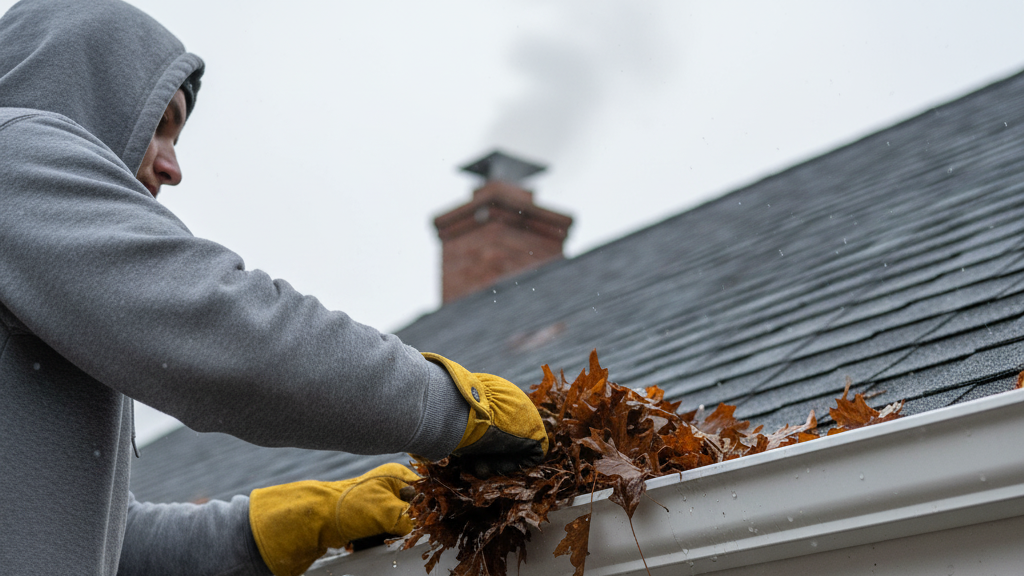
In a region like Metro Vancouver, where rain is a constant companion in winter, your gutters are your home's first line of defense against water damage. When they're clogged with leaves and debris, that defense crumbles.
Foundation Damage: Overflowing gutters dump gallons of water directly around your home's foundation. Over time, this constant moisture can seep into your basement or crawl space, leading to leaks, flooding, and costly structural damage. This can also compromise the very integrity of your home's foundation.
Rot and Erosion: Water pooling against siding, windows, and fascia boards leads to wood rot, paint damage, and erosion around your landscaping. It creates perfect conditions for mold and mildew.
Ice Dams: If temperatures fluctuate, water trapped in gutters can freeze, forming "ice dams" that prevent melting snow from draining. This forces water under your roof shingles and into your attic, causing severe leaks and ceiling damage.
The Fix: After the leaves have fallen, perform a thorough cleaning of all gutters and downspouts. Ensure water flows freely and is directed away from your home's foundation, ideally at least five feet.
We strongly urge you to prioritize your safety and only perform tasks you are fully qualified and comfortable doing. If you are at all unsure about any of the steps or if you discover a more serious issue, please contact a licensed professional immediately.
4. Costly Energy Bills and an Uncomfortable Home: The Price of Unsealed Drafts
Think of your home as a giant thermos. If there are holes in that thermos, your hot coffee will get cold quickly. The same goes for your home and drafts. Ignoring those seemingly small gaps can lead to significant discomfort and a shocking heating bill.
Heat Loss: Drafts around windows, doors, and even electrical outlets act as tiny escape routes for your expensive heated air. Your furnace has to work much harder and longer to maintain a comfortable temperature, constantly trying to replace the escaping warmth.
Discomfort: Even with the heat on high, cold drafts create uncomfortable chilly zones in your home, forcing you to bundle up indoors or turn up the thermostat even higher, further inflating energy costs.
Hidden Leaks: Sometimes, drafts can be an indicator of larger insulation problems in attics or basements, which left unaddressed, can lead to moisture issues and even structural concerns over time.
The Fix: Spend an afternoon with a stick of incense or a candle to find drafts. Use weatherstripping for doors and operable windows, and caulk for stationary windows and any other small cracks or gaps. For larger gaps, consider expanding foam. A small investment in sealing now can lead to substantial savings on your heating bills all winter long.
5. Roof Repairs and Interior Leaks: The Danger of Neglecting Your Home's Crown
Your roof is your home's primary shield against BC's winter elements. Ignoring its condition in the fall is an open invitation for leaks, water damage, and very expensive repairs once the storms hit.
Compromised Integrity: Missing, cracked, or curled shingles are direct entry points for water. A small crack can allow water to seep into your attic, saturate insulation, damage ceilings, and even promote mold growth.
Flashing Failures: The metal flashing around chimneys, vents, and skylights is highly susceptible to wear and tear. If caulk around flashing is cracked or the metal is loose, it's a guaranteed pathway for water to enter your home.
Snow and Ice Damage: Winter snow and ice can exacerbate existing roof issues, weighing down damaged sections and accelerating deterioration. If water gets under compromised shingles and freezes, it can lift them, causing even more damage.
The Fix: Safely inspect your roof from the ground with binoculars, or use a sturdy ladder. Look for any visible damage to shingles, or signs of wear around flashing. If you spot any issues, or if you're uncomfortable with the inspection, do not climb onto the roof yourself. Instead, contact a qualified roofing professional for a thorough inspection and any necessary repairs before winter's heavy rains and potential snow arrive.
Don't wait for the first frost or winter storm to realize your home isn't ready. A proactive approach to fall maintenance not only safeguards your property but also ensures a warmer, safer, and more peaceful winter season for everyone under your roof.
Make a confident move in the Metro Vancouver real estate market. Subscribe for hyper local sales activity reports, early access to pre-sale opportunities, DIY discounts, home maintenance tips, market analysis, current mortgage rates, rents, interior design trends, entertaining ideas, new listings, and more!
Important Safety & Professional Advice Disclaimer:
The content presented in this blog post, "Winter is Coming: Are You Ready? The Real Dangers of Skipping Fall Home Maintenance," is provided solely for general informational and educational purposes. It is explicitly not intended as, and should not be construed as, professional advice, technical guidance, or a substitute for services from a qualified, licensed, and insured professional.
DIY Risks & Personal Responsibility: Home maintenance activities, particularly those involving ladders, roofs, electrical systems, plumbing, heating units, or any potentially hazardous equipment or situations, carry inherent risks of personal injury, property damage, or even fatality. Performing such tasks without appropriate training, experience, and safety gear can lead to serious consequences. You assume full responsibility for any actions you take based on the information provided herein.
Consult a Professional: We strongly and unequivocally advise that if you are at all unsure about your ability to safely or correctly perform any task mentioned, or if you encounter conditions that appear hazardous, damaged, or beyond your skill level, you immediately consult and engage a qualified, licensed, and insured professional (e.g., a roofer, plumber, HVAC technician, electrician, or general contractor). Their expertise is essential for ensuring tasks are completed safely and correctly, and that your home remains compliant with local building codes and safety regulations.
No Liability: By accessing, reading, or acting upon any information or recommendations contained within this blog post, you acknowledge and agree that the author, publisher, and any affiliated entities or individuals are not liable for any direct, indirect, incidental, consequential, or punitive damages, injuries, losses, or costs whatsoever arising from your reliance on, or use of, this information. This includes, but is not limited to, damages for personal injury, property damage, or financial loss.
Your safety is paramount. Always err on the side of caution and seek professional assistance when in doubt.